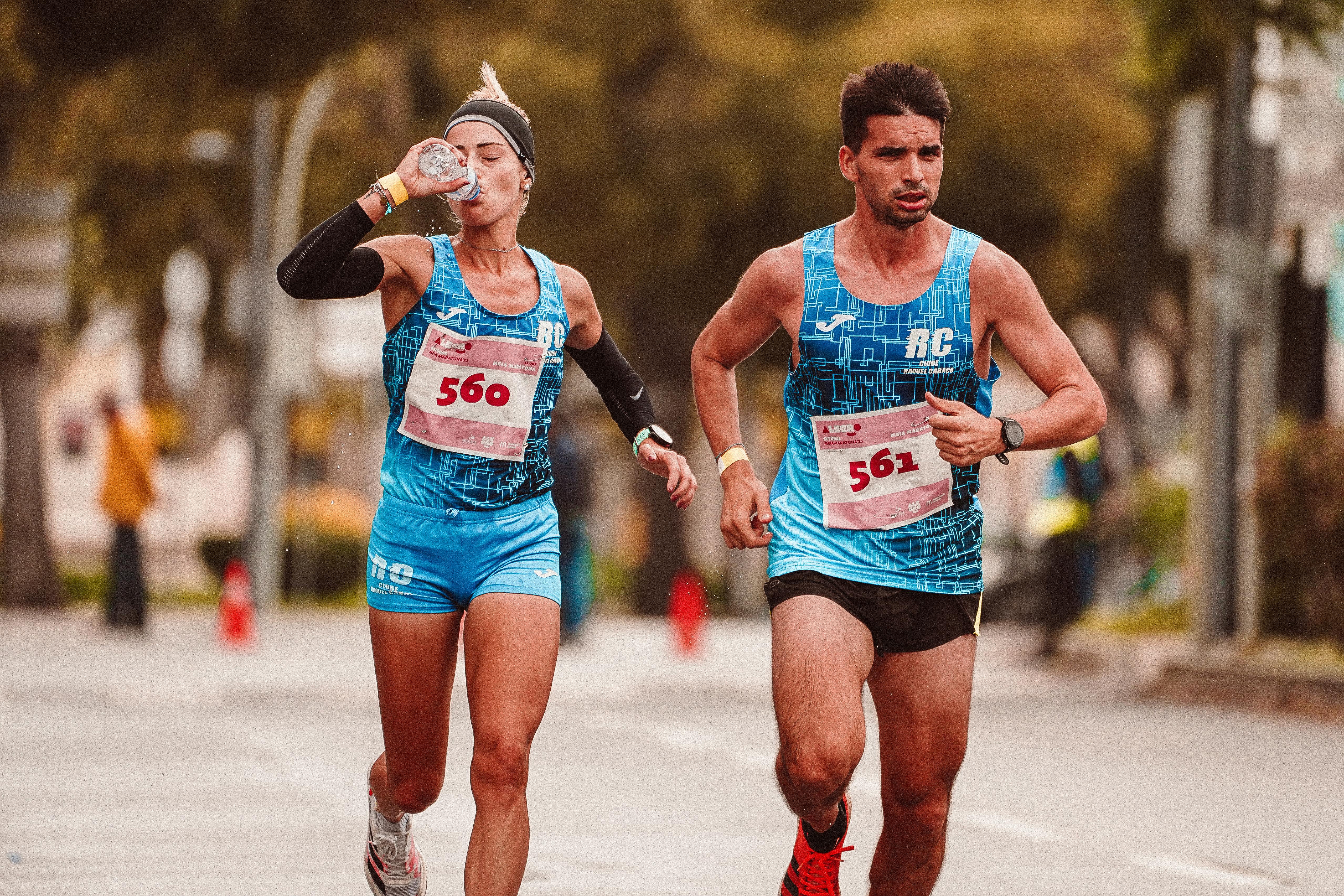
The Runner’s Guide to Electrolytes
Hydration for Peak Performance
Hydration isn’t just about quenching your thirst—it’s the cornerstone of athletic performance and overall well-being. Whether you’re running a marathon, lifting weights, or practicing yoga, your body needs a steady balance of fluids to function at its peak.
When you’re regularly pushing your body through workouts, you need more than just water to stay fully hydrated. Proper hydration fuels your muscles, sharpens your focus, and speeds up recovery. This guide will reveal the key to effective hydration
Why Hydration Matters for Runners
Staying hydrated helps your body:
• Maintain blood volume
• Regulate body temperature
• Deliver nutrients to working muscles
• Prevent fatigue and cramps
• Support quick and complete recovery
Even mild dehydration can lead to early fatigue, slower pace, muscle cramps, headaches, and mood changes that make training harder than it needs to be.
DEHYDRATION SYMPTOMS
Dehydration isn’t just about feeling thirsty. Your body sends out several signals when it's running low on fluids, many of which can be easy to miss.
Thirst
Muscle Fatigue & Cramps
Early Fatigue & Low Performance
Delayed recovery from exercise
Dizziness
Thirst
Muscle Fatigue & Cramps
Early Fatigue & Low Performance
Delayed recovery from exercise
Dizziness

The amount of fluid and electrolytes you need varies based on:
• Body size
• Run/workout duration
• Training intensity
• Temperature & humidity
• Your sweat rate
This is why two people doing the same workout can have totally different hydration needs.
How Dehydration Impacts Performance
Daily Hydration Needs
A simple rule of thumb:
Drink at least half your body weight in ounces of water per day.
Example: 150 lbs → 75 ounces daily.
Dehydration is a game-changer for athletes, affecting everything from endurance to mood. When your body runs low on water and electrolytes, here’s what can happen:
Athletic Performance: Water cushions your joints, and without enough, flexibility and speed suffer. Dehydrated muscles are less efficient, reducing your overall agility.
Endurance: Proper hydration is key for muscle function, including the heart. Staying hydrated helps ward off cramps and keeps your muscles working longer.
Breathing: Your body needs fluids to moisten the air you breathe, making it easier for your lungs to absorb oxygen and keep you going.
Mood and Focus: Your brain relies on water to function optimally. Dehydration can lead to irritability, headaches, and poor concentration—similar to how low blood sugar can trigger a "hangry" mood.

As dehydration worsens, both physical and mental performance take a hit. Heart rate and body temperature rise, making exercise feel harder, especially in the heat. Skills and decision-making become impaired, while the risk of nausea, vomiting, and other digestive issues increases during and after exercise.
When Water Alone Isn’t Enough
Water by itself is effective for hydration during:
• Short runs under 60 minutes
• Cooler weather
• Light-intensity workouts
You’ll need electrolytes when:
• Running more than 60–90 minutes
• Training in heat or humidity
• You’re a “salty sweater” (white residue on skin/clothes)
• You experience cramps, headaches, or dizziness during longer workouts
Hydration Plan: What and when to drink
Water: The Basic Hydrator
Water is the most accessible and cost-effective way to hydrate. However, drinking too much plain water can dilute electrolytes, so balance is key. Combining water with electrolyte-infused drinks or adding vitamins C and B to your hydration routine can enhance its effectiveness.
Adults: 6 to 12 ounces
Teens (age 13 to 18): 11 to 16 ounces
Kids (age 9 to 12): 3 to 8 ounces
Adults: 6 to 12 ounces
Teens (age 13 to 18): 11 to 16 ounces
Kids (age 9 to 12): 3 to 8 ounces

BEFORE WORKOUT:
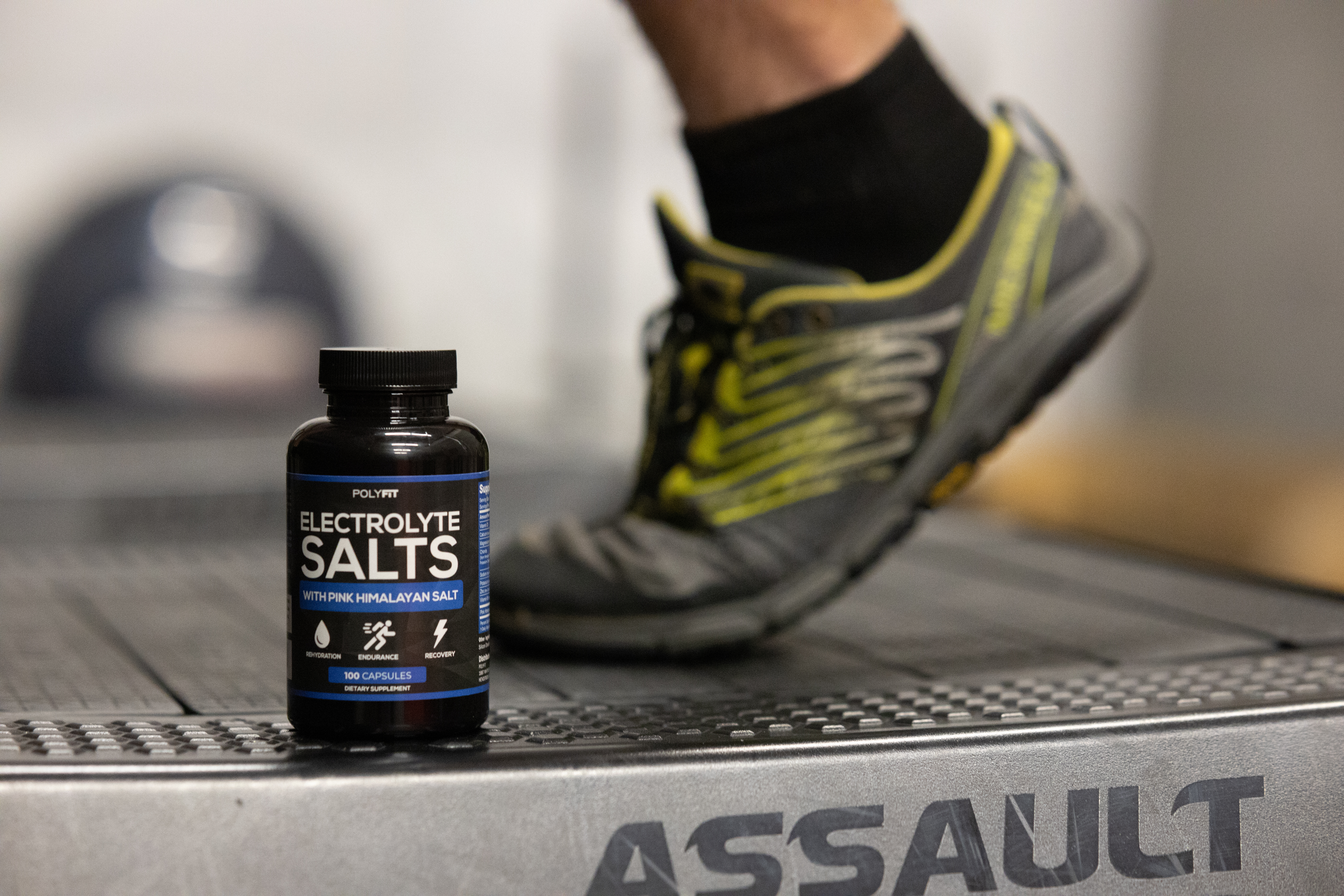
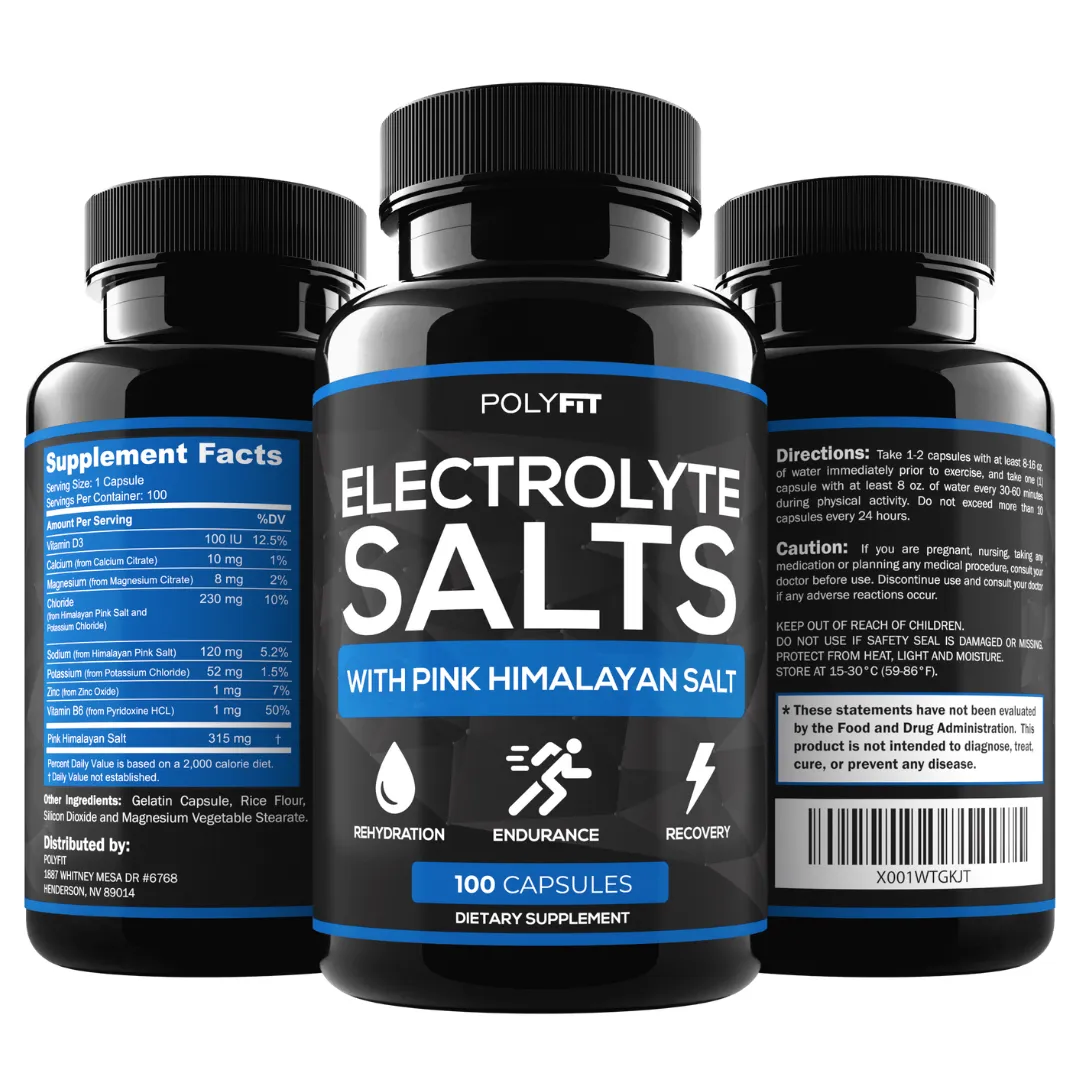
Have 24 ounces of sports drink or electrolyte-infused water two hours before the activity. For a healthier alternative, you can take a sugar-free electrolyte supplement like Electrolyte Salts.
Pre-Run Electrolyte Loading
Taking electrolytes 30–90 minutes before a long or intense run helps:
• Start your workout hydrated
• Support muscle readiness
• Reduce the risk of cramps
• Delay early fatigue
DURING WORKOUT:
If the activity is going to go on for more than 45 minutes (adults) or more than an hour for kids, make sure you’re using a salt replacement supplement (like a sports drink or salt supplement) and not just plain water to hydrate.
How Much to Drink During Various Runs
• Under 60 minutes: Water is usually enough
• Over 60 minutes: Add electrolytes
• Hot/humid conditions: Add electrolytes even for shorter runs
Tip: Sip small amounts regularly instead of large gulps, which helps avoid stomach issues.
AFTER WORKOUT:
Drink 16–24 ounces of water or sports drink, depending on how much you’ve sweated.
Precision Recovery Hydration
Weigh yourself before and after a long run.
Drink 16–24 ounces of fluid per pound lost to fully restore hydration.
CAN YOU DRINK TOO MUCH WATER?
Yes, it's possible to drink too much water too quickly, leading to a condition known as hyponatremia. This occurs when excess water dilutes the sodium levels in your body. Sodium is crucial for regulating the balance of water inside and around your cells. Without enough sodium, your cells can swell, potentially causing fluid buildup in the brain and lungs.
Yes, it's possible to drink too much water too quickly, leading to a condition known as hyponatremia. This occurs when excess water dilutes the sodium levels in your body. Sodium is crucial for regulating the balance of water inside and around your cells. Without enough sodium, your cells can swell, potentially causing fluid buildup in the brain and lungs.
Why Runners Lose Electrolytes
When you run, your body increases sweat production to cool itself. Sweat contains:
• Sodium (lost in the highest amounts)
• Magnesium
• Potassium
• Calcium
• Chloride
If you finish workouts with salt stains, you’re likely a heavy sodium sweater and need more electrolytes than average.
Targeted Hydration
Integrating Electrolytes Into Training & Race Day
Before Your Run
• Add electrolytes the night before and 30–90 minutes pre-run
During Your Run
• Sip electrolyte drinks steadily during long runs
• Avoid chugging to prevent stomach upset
After Your Run
• Replenish sodium and fluids to support recovery
Training Tip: Practice your hydration strategy during training—not on race day.
Targeted Hydration
Electrolyte replacement supplements are formulated to help replenish fluids, electrolytes (mainly salt), and energy during intense activities. They come in various forms, from ready-made bottled drinks to electrolyte packets or tablets you can add to water. Marathon runners might also use gels containing salt and sugar for a quick energy boost.
“Depending on the intensity and duration of your workouts, it may be wise to supplement with electrolytes. Research shows that having a little bit of sodium in your hydration can help you absorb that fluid better while you’re exercising.”
“Depending on the intensity and duration of your workouts, it may be wise to supplement with electrolytes. Research shows that having a little bit of sodium in your hydration can help you absorb that fluid better while you’re exercising.”
Sarah Eby, MD, PhD
Sports Medicine Specialist
Mass General Brigham
What are electrolyte salts?
Electrolytes are vital minerals—such as sodium, potassium, calcium, and magnesium—that play a key role in regulating hydration, muscle contractions, and nerve function. For athletes, they are essential in preventing muscle cramps, maintaining fluid balance, and ensuring peak performance, especially during intense or long-duration activities. Replenishing electrolytes lost through sweat is not just beneficial; it's critical for keeping the body functioning efficiently.
Electrolytes help:
• Trigger muscle contraction and relaxation
• Support nerve signaling
• Maintain steady heart rhythm
• Balance acidity (pH) in your body
• Regulate fluid inside and outside your cells
Without these minerals, your muscles fatigue faster, your coordination drops, and you become more prone to cramps.
Get Yours Directly from the Manufacturer
POLYFIT FOUNDATION
© Copyright 2026. All rights reserved.