
Best Backpack for Rucking:
How to Choose the Right Pack for Your Fitness Goals
Rucking is one of the simplest, most effective ways to build endurance, strength, and resilience. But your comfort and results depend heavily on your gear. The best rucking backpack isn’t just any bag that holds weight—it’s a pack designed to support your goals, protect your body, and go the distance.
Whether you’re new to rucking or upgrading your setup, this guide breaks down the key factors to consider when choosing between a rucking backpack, plate carrier, or weighted vest.
What to Look For in the Best Rucking Backpack
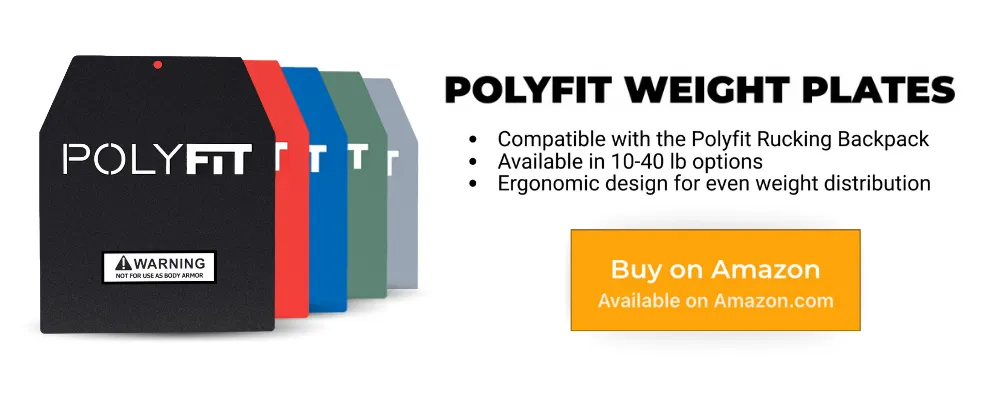
1. Weight Plate Compatibility
Not all backpacks are designed to carry rucking plates. Look for:
Internal sleeves or compartments that keep plates high and snug against your back.
Snug fit to reduce bouncing and shifting.
Room to progress—can you swap in heavier plates as you get stronger?
2. Comfort + Load Stability
Rucking means carrying weight over distance. Comfort isn’t optional—it’s critical. Look for:
Wide, padded shoulder straps to prevent digging.
Sternum straps to stabilize weight and reduce sway.
Waist belts to transfer some of the load to your hips.
Breathable back panels to reduce sweat build-up.
The right fit minimizes strain and keeps your posture aligned, especially on long rucks.
3. Durability & Construction
Your pack will face miles of friction, sweat, weather, and weight stress. Key features:
Rugged fabrics (600D Oxford for value, 1000D Cordura for military-grade).
Reinforced seams at stress points.
Heavy-duty zippers and buckles built for abuse.
Think of it as an investment—cheap packs wear out fast, while a durable ruck can last years.
4. Size & Capacity
The “right” size depends on how you plan to use your pack:
Plate carriers: compact, minimalist option if you don’t need storage—just weight.
20–25L backpacks: ideal for dedicated fitness rucking. Compact, efficient, and just enough room for weight plates and essentials.
30–35L backpacks: better for hybrid use (fitness + daily carry or travel). Look for designs where extra compartments don’t interfere with weight placement.
Rule of thumb: If it’s for training only, smaller is better. For travel or everyday use, size up slightly.
5. Adjustability & Fit
Ruckers come in all shapes and sizes—your backpack should adapt to you:
Adjustable straps let you fine-tune fit.
Torso-length adjustments matter if you’re taller or shorter than average.
Floating or modular belts for custom support.
A well-fitting ruck minimizes hotspots, keeps weight close, and prevents long-term injuries.
6. Extra Features (optional)
Not essential, but nice-to-have depending on your training:
MOLLE webbing for modular attachments (water bottle holders, pouches).
Hydration bladder sleeves if you ruck long distances.
Quick-access pockets for keys, phone, or energy gels.
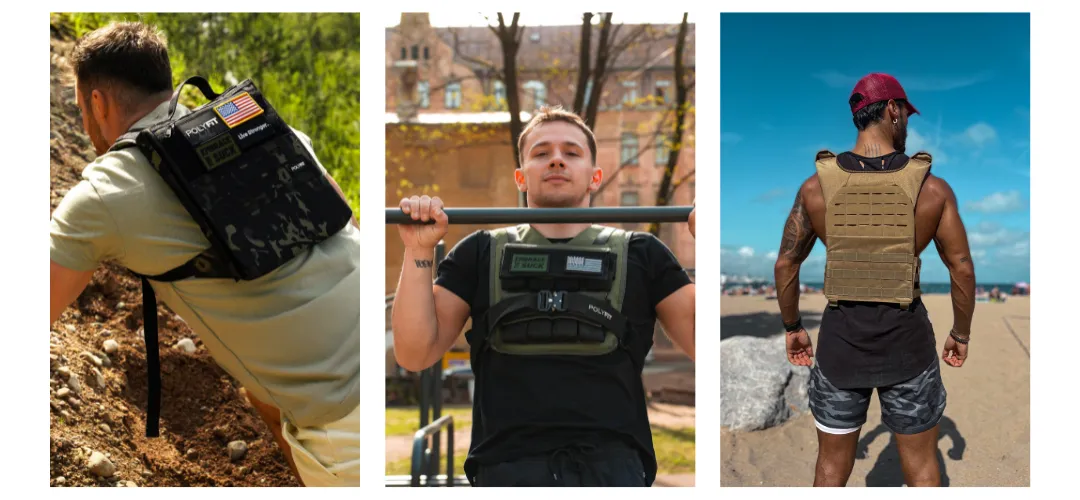
Rucking Backpack vs. Plate Carrier vs. Weighted Vest
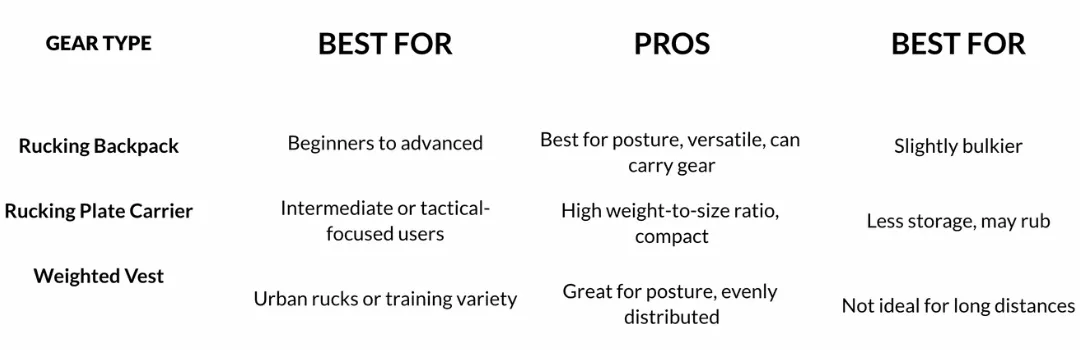
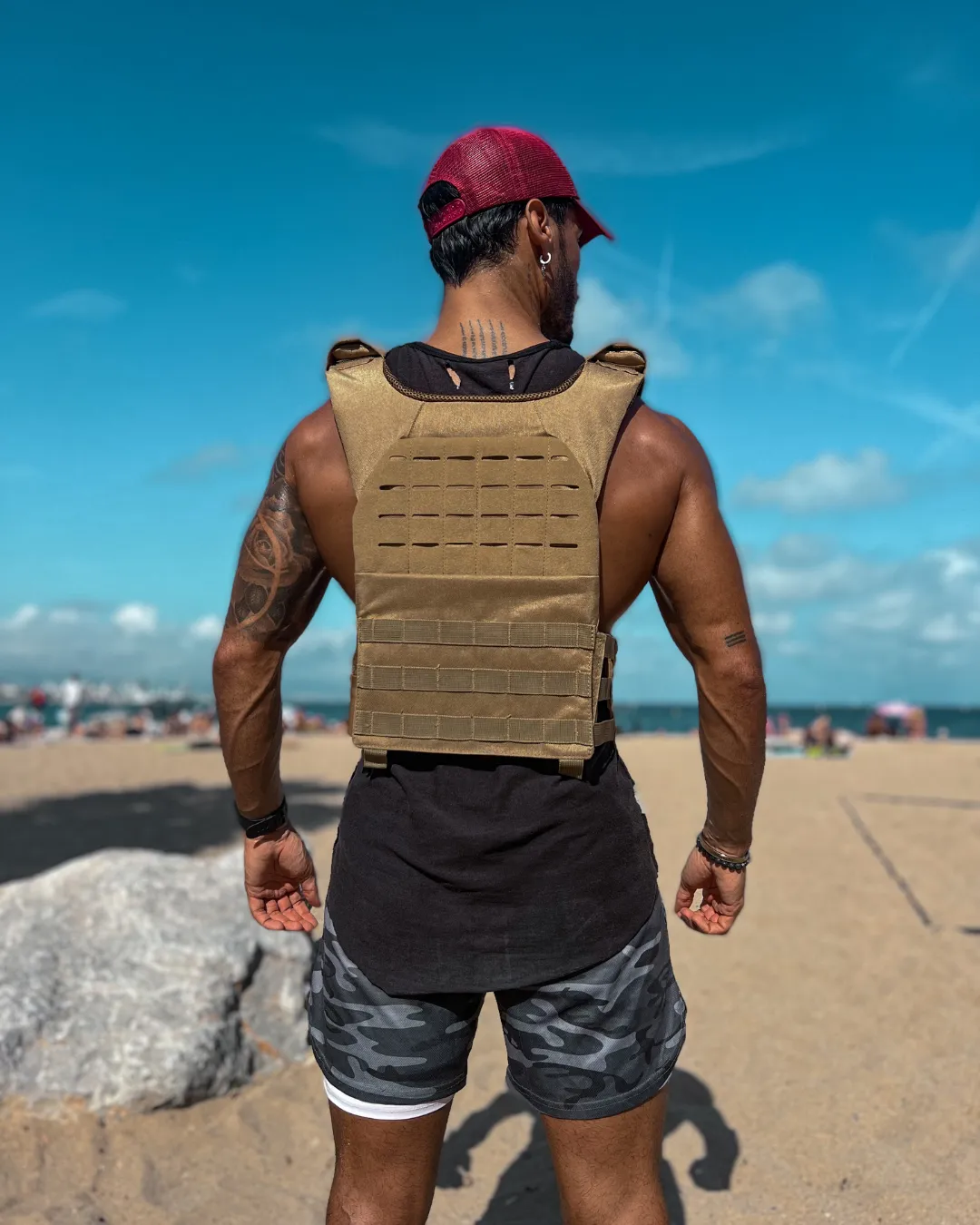
GEAR TYPE
BEST FOR
PROS
CONS
Rucking Backpack
Rucking Plate Carrier
Weighted Vest
Endurance rucks, hybrid training + storage
Strictly fitness + rucking
Short urban rucks, HIIT, gym cross-training
Comfortable, versatile, can carry gear
Compact, stable weight high on back, progression-friendly
Even weight distribution, posture-friendly
Bulkier, pricier
Minimal storage
Not ideal for long distances, can rub
Key Questions Before Your Buy a New Backpack
Don’t just grab the first backpack labeled “rucking.” Ask yourself:
Will this pack stay comfortable during longer distances?
Can I increase weight gradually and safely?
Does it have the durability to last through sweat, weather, and years of training?
Does the size match my primary goal (fitness-only vs. hybrid daily use)?
The best rucking backpack is one that moves with you—not against you. It should fit your body, match your goals, and hold up over the long haul.
Our Top Pick: The Rucking & Fitness Hybrid
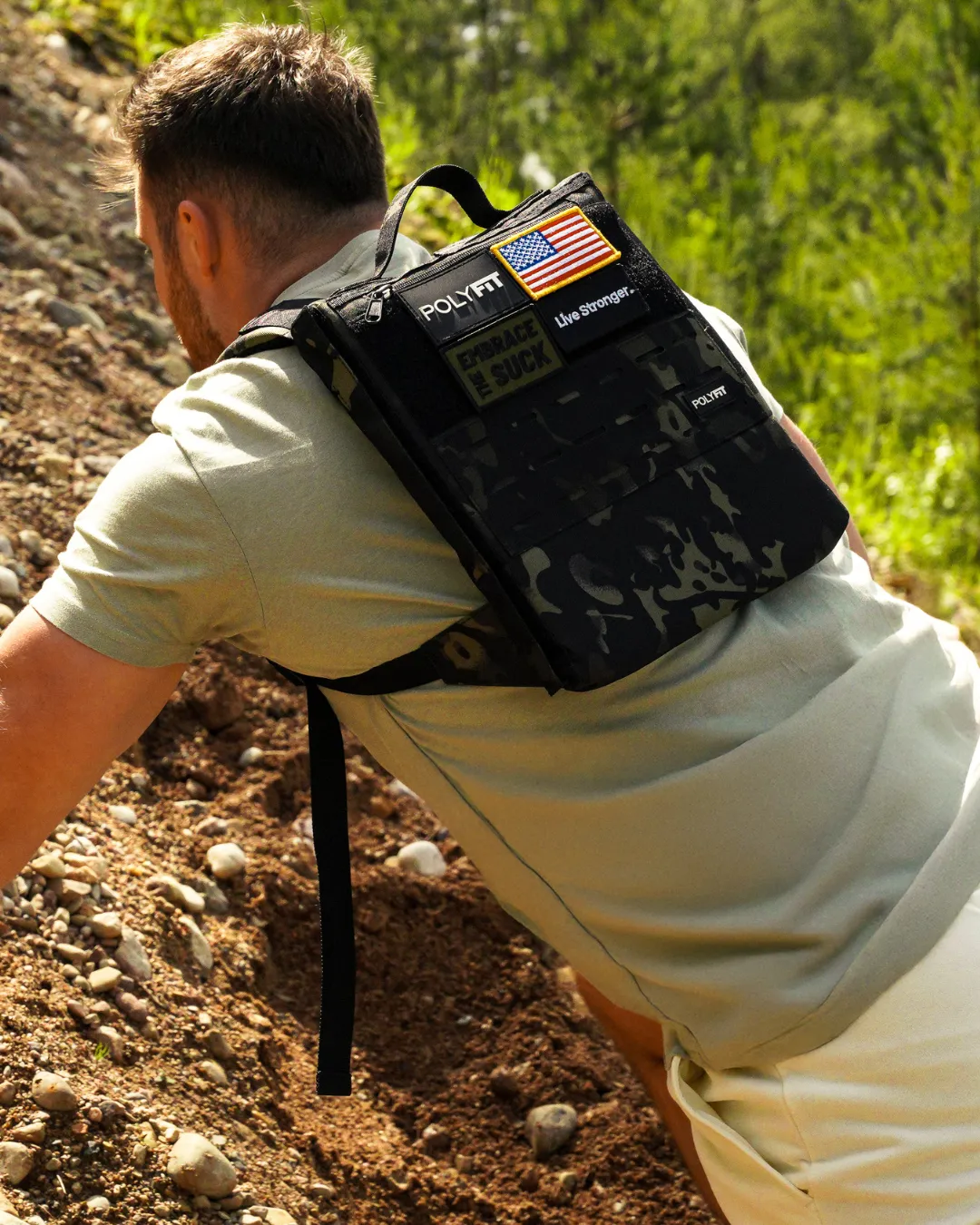
For a compact, durable, fitness-first rucking option, we recommend the Polyfit Rucking Backpack:
Plate carrier design: built for weight plates, not bulky storage.
Compact & stable: keeps weight high and secure for better posture and efficient rucks.
Comfort fit: padded straps and breathable back panel for long sessions.
Built to last: rugged materials and reinforced stitching handle heavy training.
The Polyfit Rucking Backpack isn’t a bulky hiking pack—it’s a performance-driven plate carrier made to help you ruck harder, move better, and go longer.
If you want a reliable, beginner-to-advanced option that supports most fitness goals, the POLYFIT Rucking Backpack is a perfect fit.
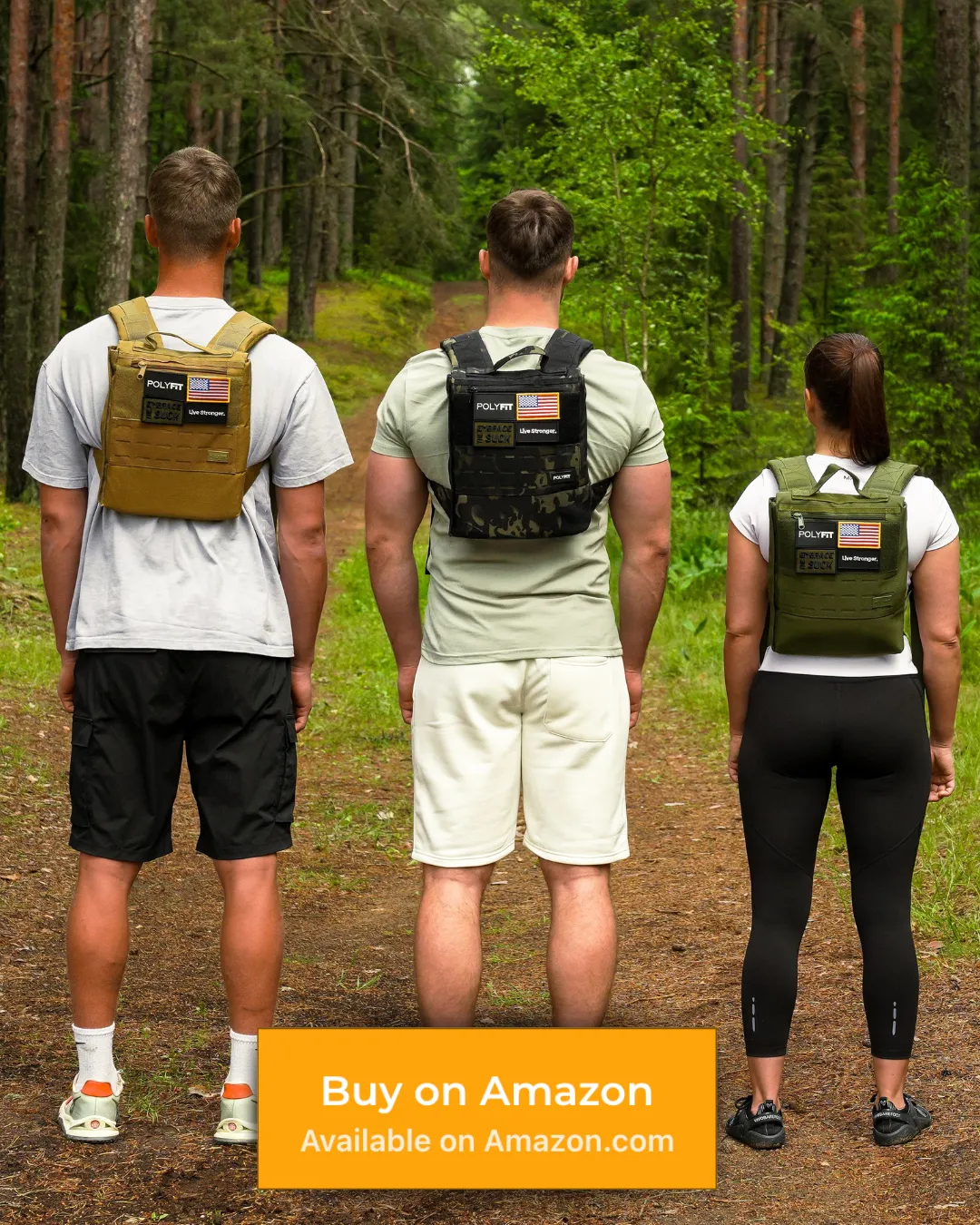
POLYFIT RUCKING BACKPACK 2.0
POLYFIT RUCKING BACKPACK
The Polyfit Rucking Backpack is built to hold weight plates securely, keep you comfortable over distance, and withstand years of training. With padded straps, durable construction, and the right size for fitness or hybrid use, it’s a reliable pack that helps you improve endurance, build strength, and protect your posture every step of the way.
A high-quality rucking backpack is the core piece of gear for anyone starting their rucking journey. Designed to carry weight comfortably over long distances, it offers better support and durability than a regular backpack, helping you improve endurance, build strength, and protect your posture during training.
Prefer a Weighted Vest?
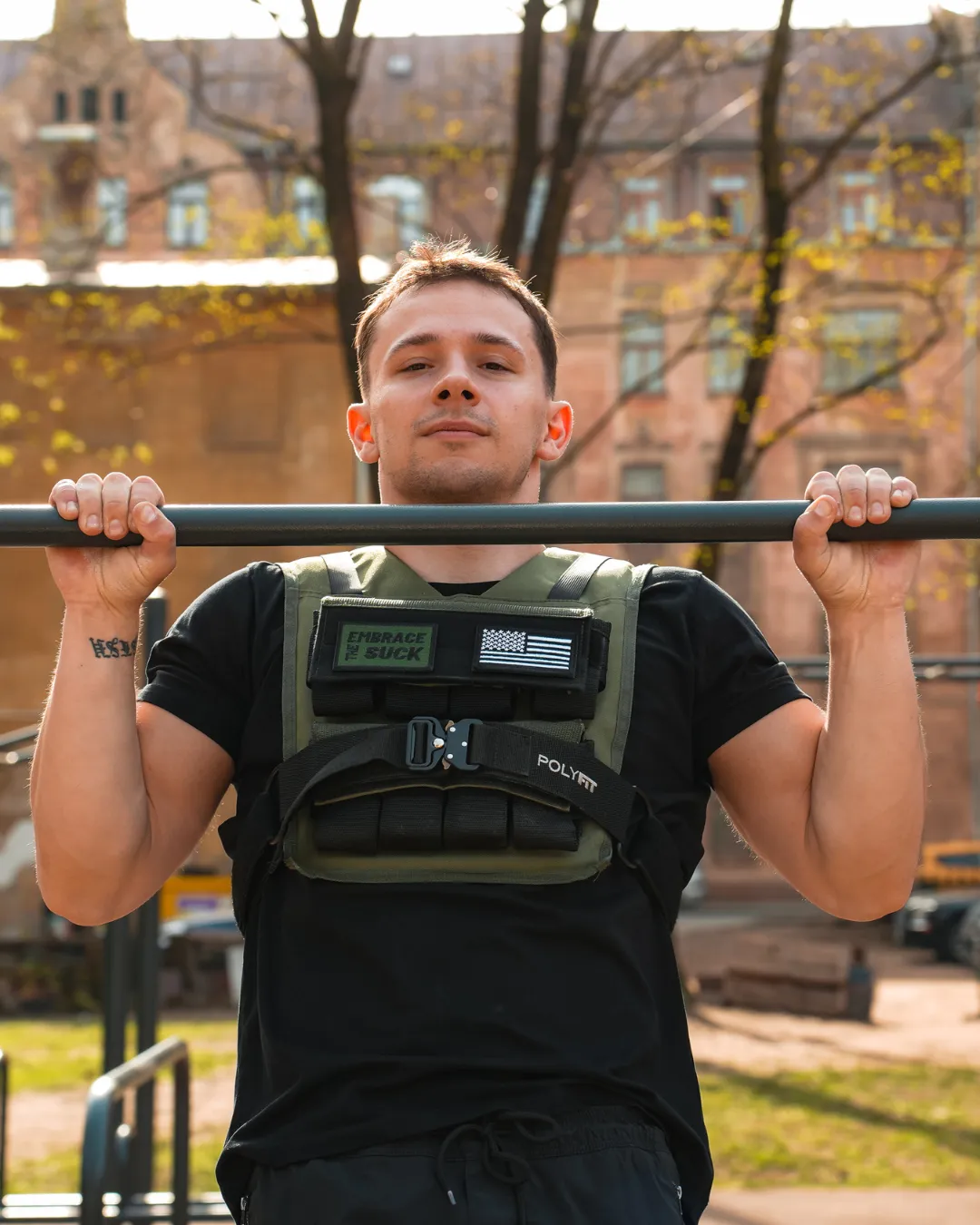
If you’re ready to start rucking, a weighted vest is an excellent alternative. It distributes weight evenly, allowing for a comfortable and effective rucking experience while improving strength and endurance.
If you’re ready to start rucking, a weighted vest is an excellent alternative. It distributes weight evenly, allowing for a comfortable and effective rucking experience while improving strength and endurance.
WARRIOR VEST
Sizes: 25lb | 35lb | 45lb - Adjustable Weights Included
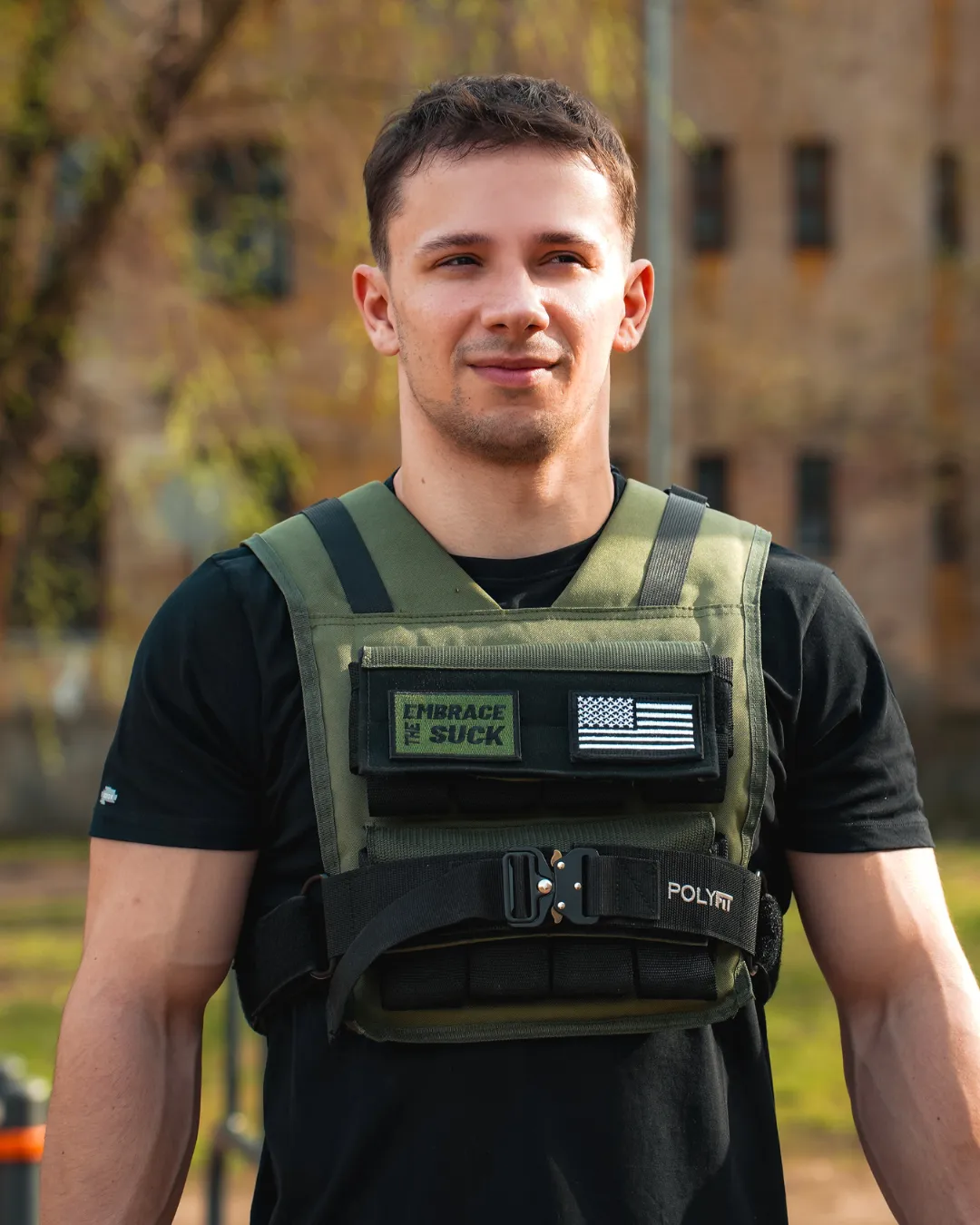
FORTIFY VEST
Weight plates sold separately - Up to 40lbs
POLYFIT FOUNDATION
© Copyright 2026. All rights reserved.