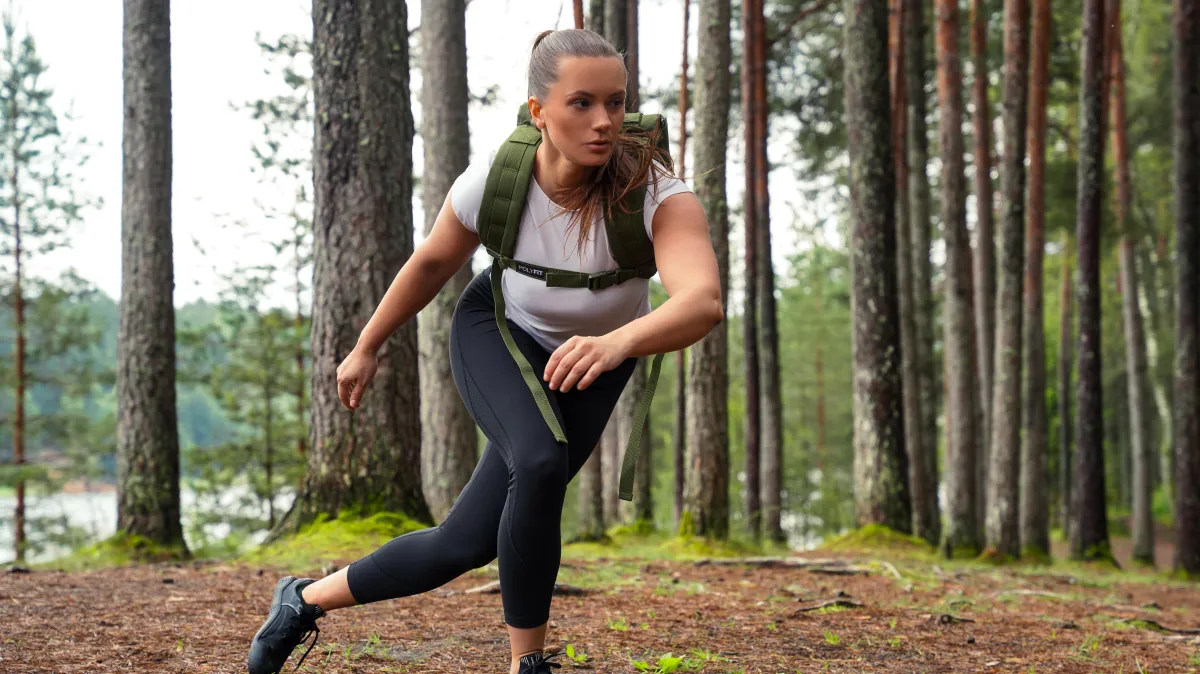
Weighted Vest vs. Rucking Backpack:
Which Is Better for Training?
If you’re exploring rucking, training with weight, or building functional strength, you’ve probably asked yourself:
👉“Should I train with a weighted vest or a rucking backpack?”
The truth is — both work. But which one is better depends entirely on your goals, training style, and how much weight you plan to carry.
This guide breaks down the key differences, benefits, and drawbacks of each so you can choose the gear that fits your fitness journey.
Rucking Backpack vs. Weighted Vest: Key Differences
Rucking Backpack
● A backpack built to carry weight (like weight plates, rucking plates, or sandbags).
● Includes padded straps and durable fabrics for long-distance comfort.
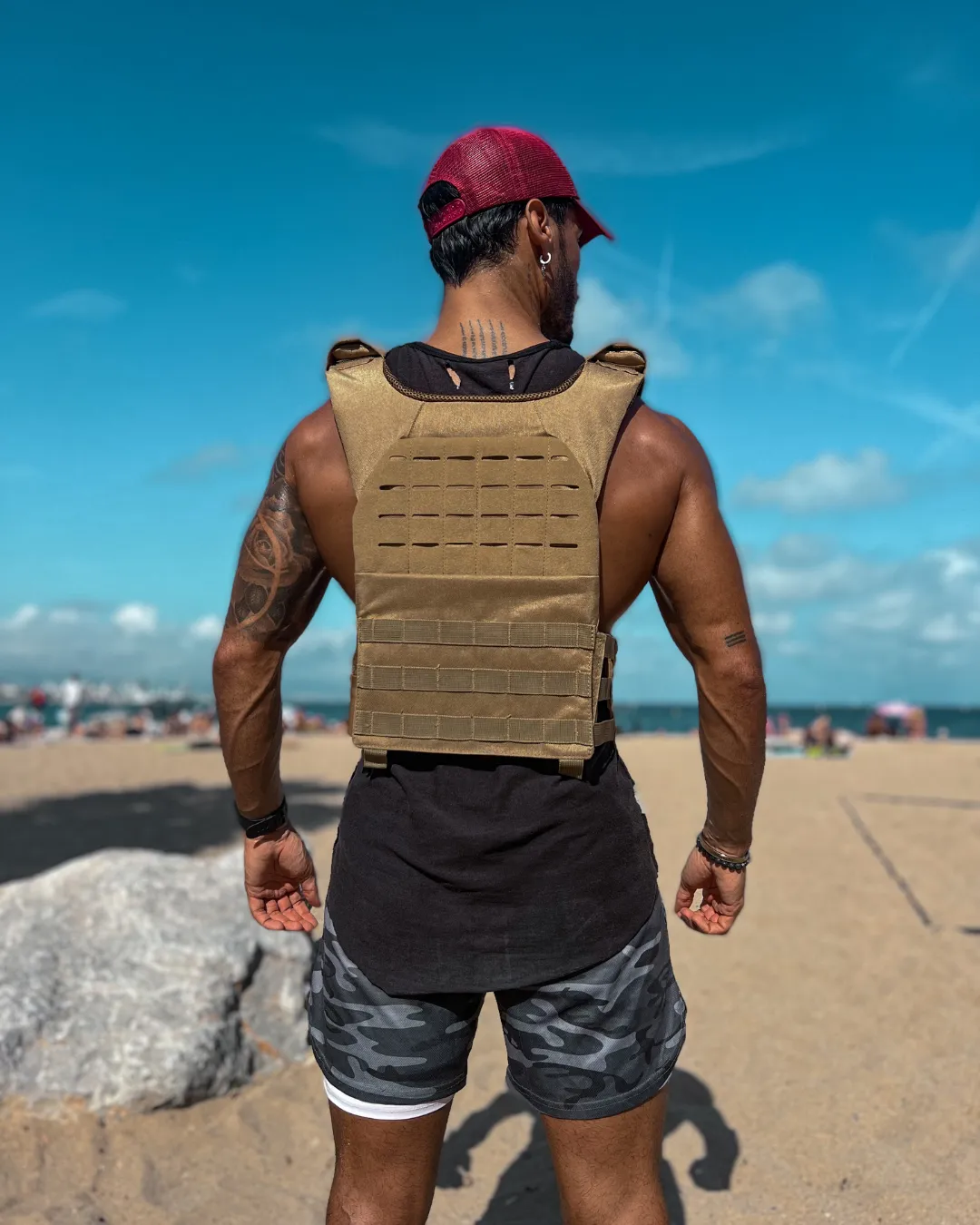
Weighted Vest
● A vest worn on your torso with removable or built-in weights.
● Distributes load evenly across chest and back.
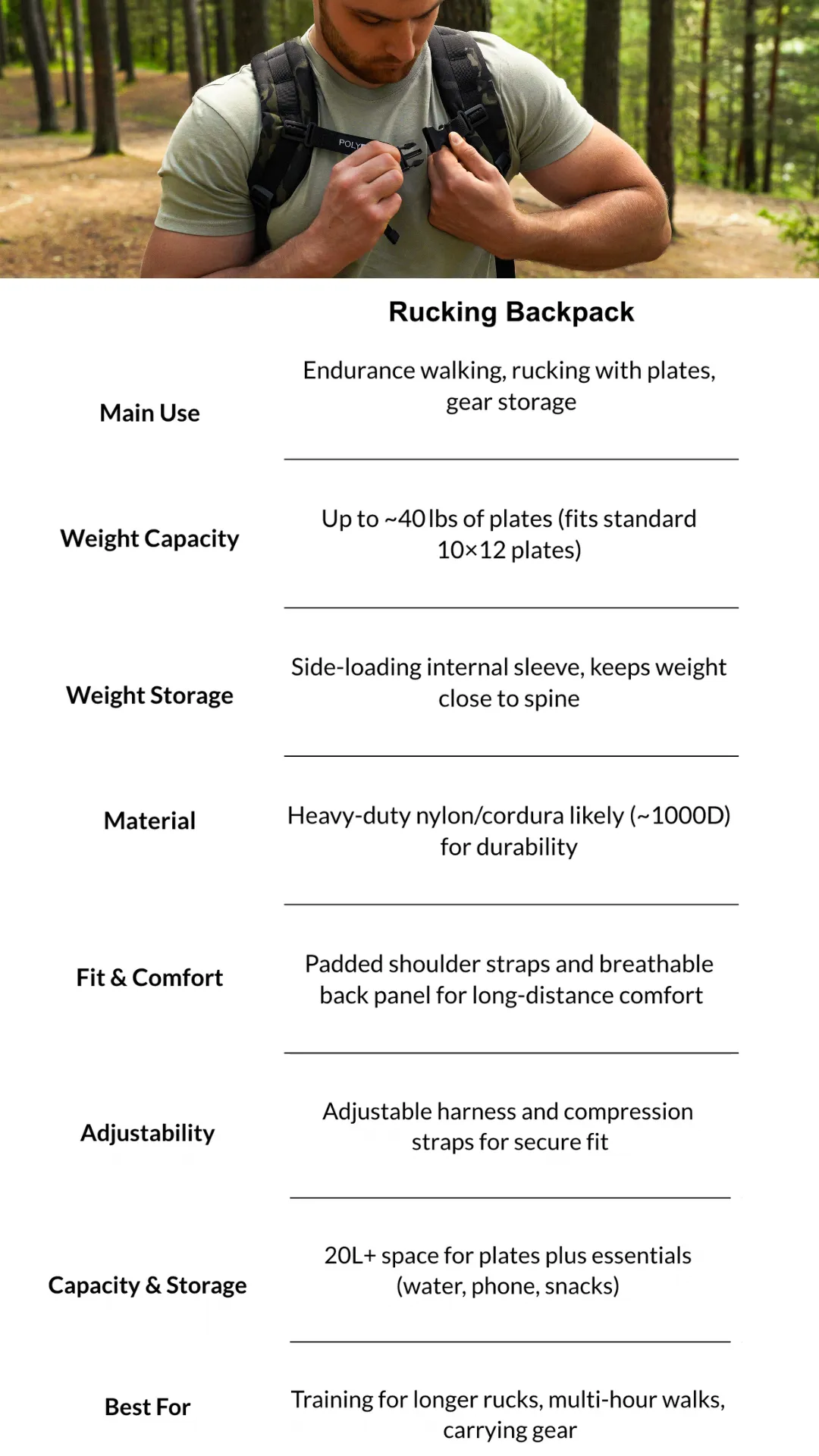
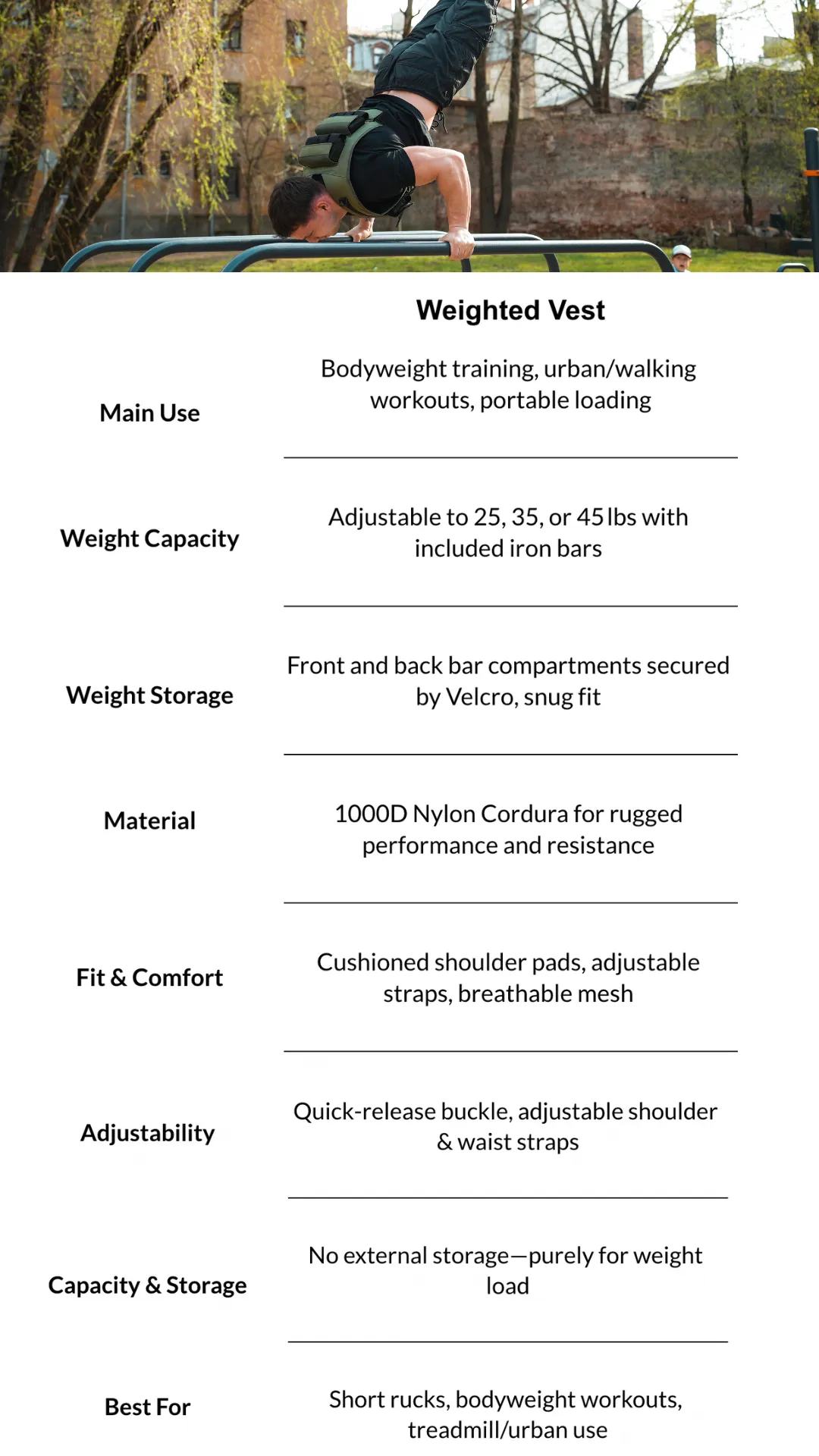
Main Use
Fit & Comfort
Adjustability
Capacity & Storage
Best For
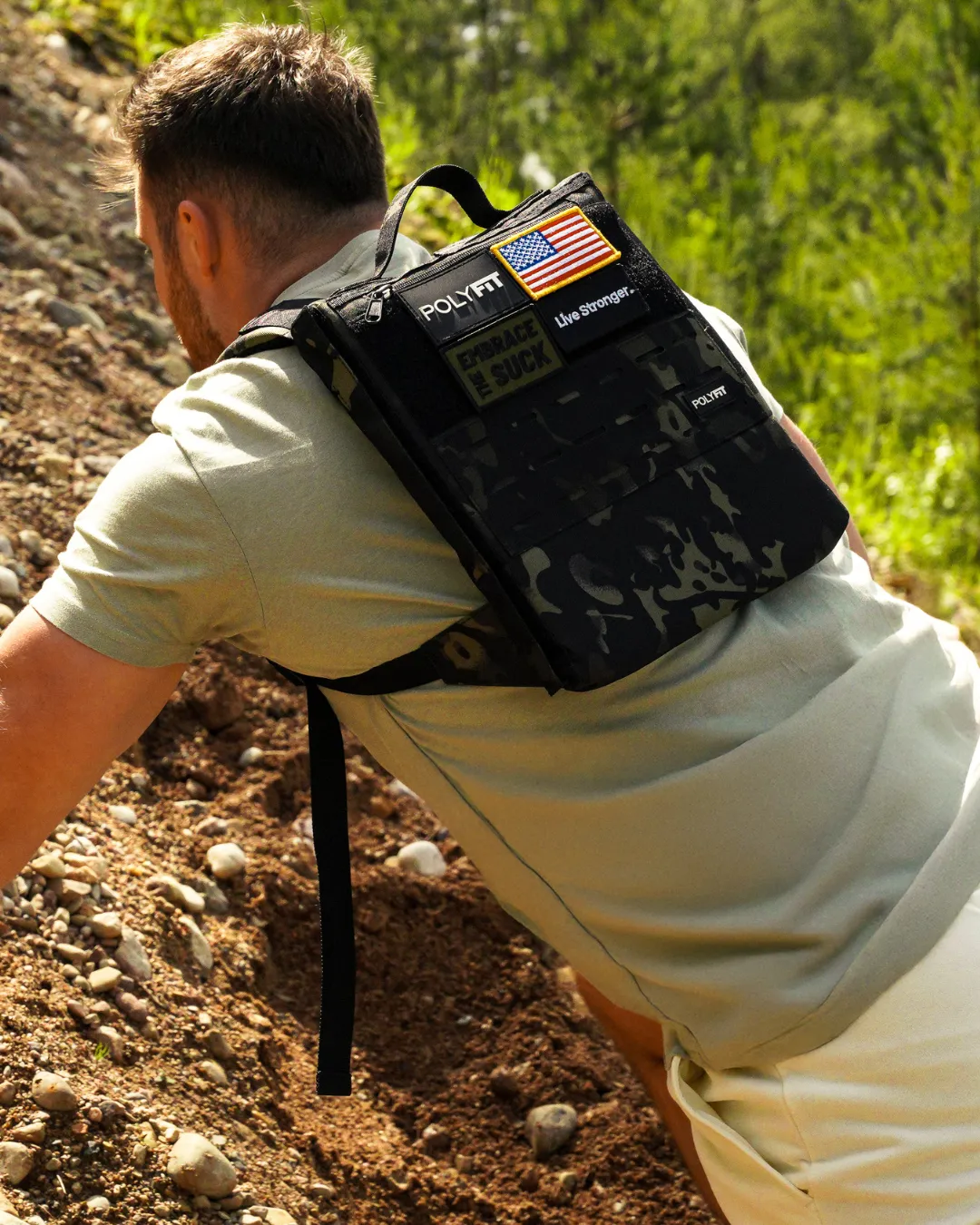
Rucking Backpack
Endurance walking, rucking with weight plates, gear storage
Padded shoulder straps and breathable back panel for long-distance comfort
Adjustable backpack straps for a secure fit. Some backpacks come with sternum straps, and hip belts for extra comfort and adjustability.
Depending on backpack, may have additional capacity for storage.
Training for longer rucks, multi-hour walks, carrying gear
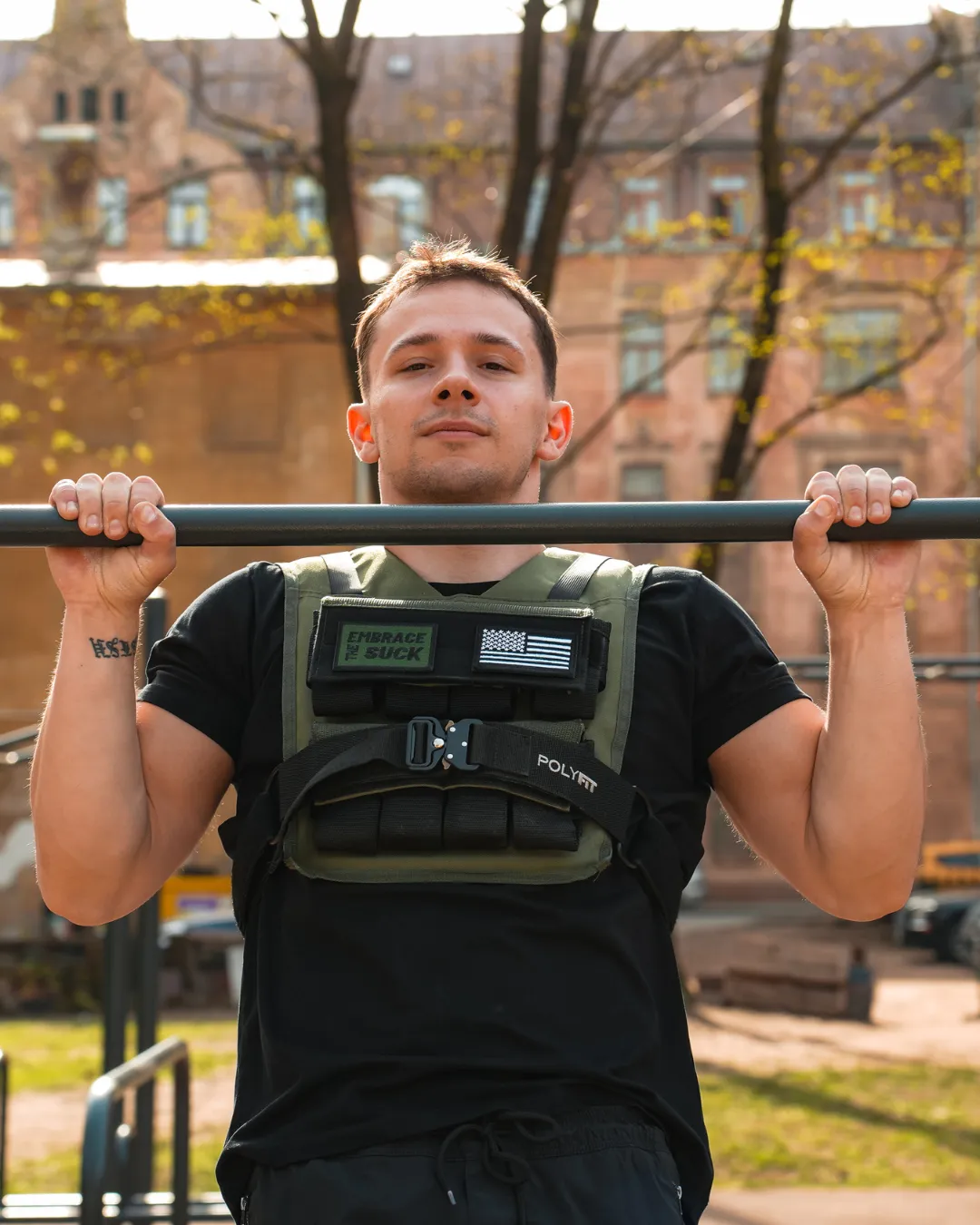
Weighted Vest
Bodyweight training, urban/walking workouts, portable loading
Cushioned shoulder pads, adjustable straps, breathable mesh
Adjustable shoulder & waist straps.
No external storage—purely for weight load. Pockets for accessories.
Short rucks, bodyweight workouts, treadmill/urban use
How to Choose Based on Your Training Goals:
Choose a Rucking Backpack if:
You’re training for endurance walking, long-distance rucks, or outdoor fitness and want both comfort and storage.Choose a Weighted Vest if:
You prefer shorter workouts, bodyweight circuits, or treadmill/urban training where portability and versatility matter most.
Don’t forget to calculate your ideal starting weight to stay safe and progress smarter.
Ready to Train Smarter?
Our Top Gear Recommendations for Your Goals
Whether you’re new to rucking or looking to take your training to the next level, the right equipment matters. That’s why we’ve put together our own recommendation—gear we trust for performance, comfort, and real results.
👉 Explore our picks below and choose the option that best fits your goals.
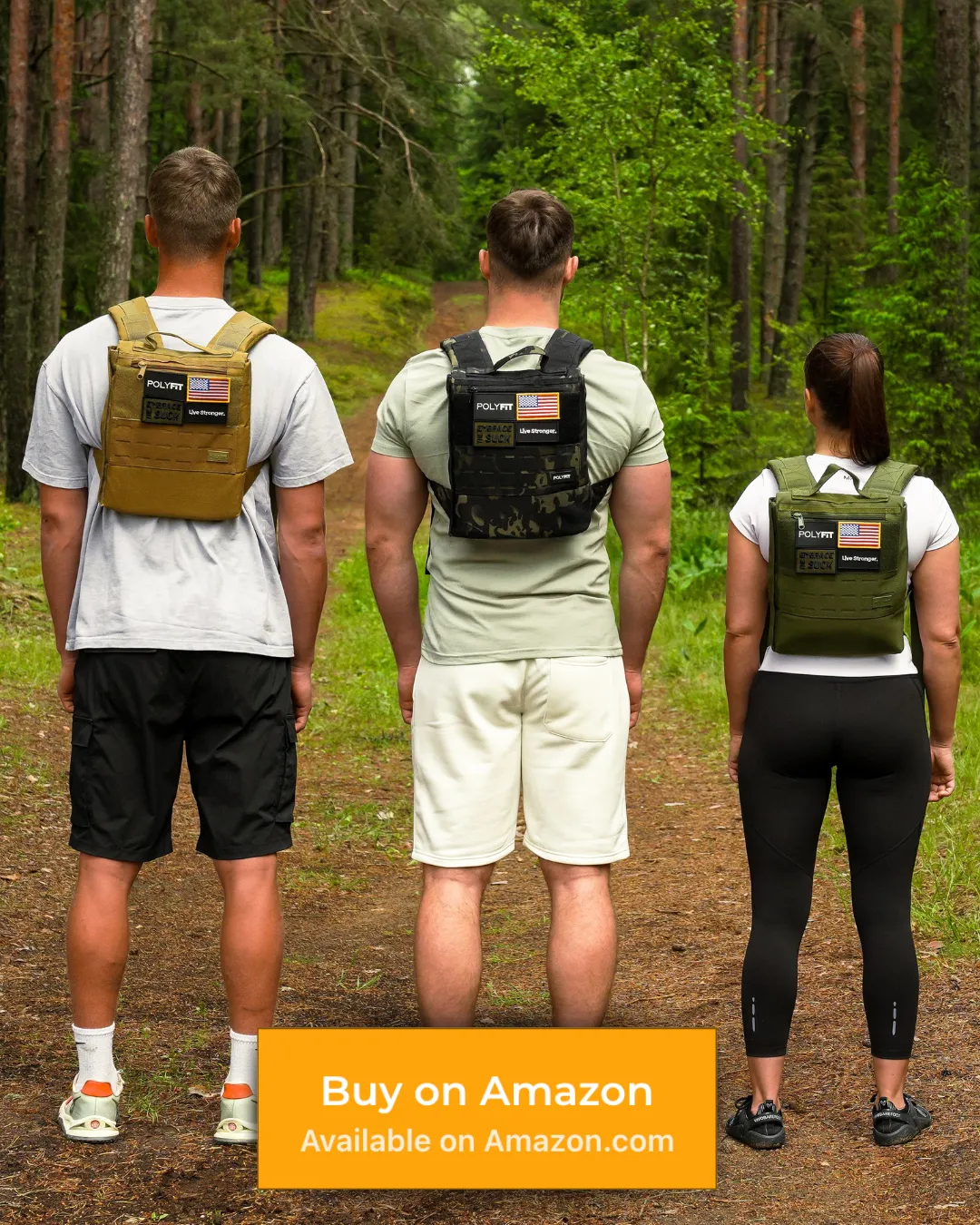
POLYFIT RUCKING BACKPACK 2.0
POLYFIT RUCKING BACKPACK
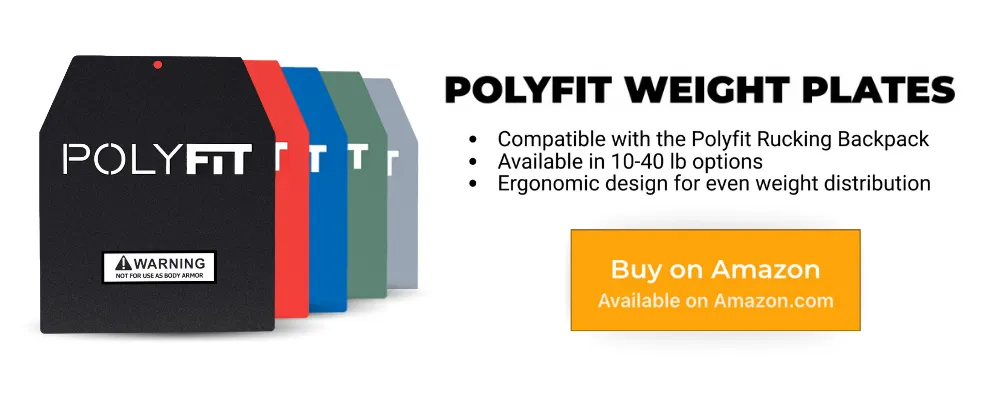
The Polyfit Rucking Backpack is built for serious rucking—holding up to 40 lbs of weight plates with a secure side-loading sleeve, padded straps, and a breathable back panel for comfort and performance on every mile.
A high-quality rucking backpack is the core piece of gear for anyone starting their rucking journey. Designed to carry weight comfortably over long distances, it offers better support and durability than a regular backpack, helping you improve endurance, build strength, and protect your posture during training.
Prefer a Weighted Vest?
If you’re ready to start rucking, a weighted vest is an excellent alternative. It distributes weight evenly, allowing for a comfortable and effective rucking experience while improving strength and endurance.
If you’re ready to start rucking, a weighted vest is an excellent alternative. It distributes weight evenly, allowing for a comfortable and effective rucking experience while improving strength and endurance.
WARRIOR VEST
Sizes: 25lb | 35lb | 45lb - Adjustable Weights Included
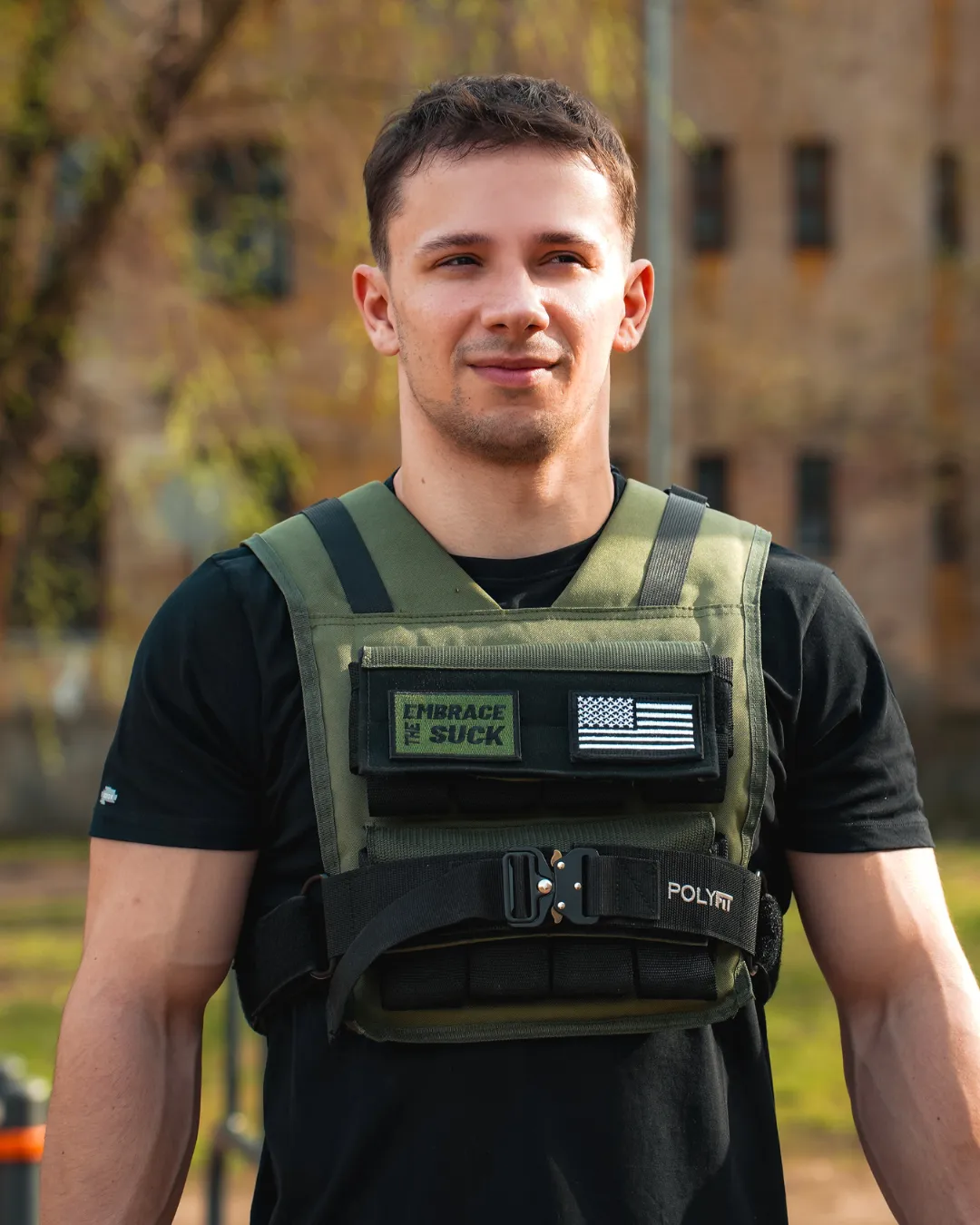
FORTIFY VEST
Weight plates sold separately - Up to 40lbs
POLYFIT FOUNDATION
© Copyright 2026. All rights reserved.